Tocotrienol in Food: Enhancing Nutritional Value, Stability & Functional Wellness
The Emerging Role of Tocotrienols in Modern Food Systems
In today’s functional food and clean-label innovation landscape, ingredients are expected to deliver more than taste or texture — they must provide nutritional benefits, oxidative stability, and long-term product quality. Among lipid-soluble antioxidants, tocotrienols — a powerful form of Vitamin E — are gaining significant attention for their dual role in food preservation and human health support.
Food scientists and nutraceutical brands are increasingly exploring tocotrienols as natural antioxidant solutions that align with consumer demand for transparency, safety, and wellness-oriented nutrition.
What Are Tocotrienols?
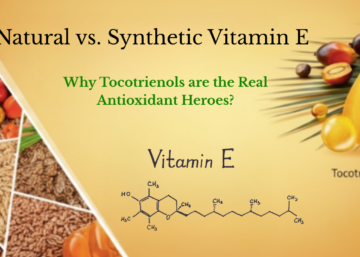
Vitamin E comprises eight naturally occurring compounds — four tocopherols and four tocotrienols. These fat-soluble antioxidants are synthesized by plants and are typically found in lipid-rich foods such as vegetable oils, grains, and nuts.
Tocotrienols differ structurally from tocopherols due to their unsaturated side chain, which influences their mobility within biological membranes and may enhance their functional activity.
This structural uniqueness contributes to their growing importance in functional foods, fortified products, and natural antioxidant systems.
Why Tocotrienols Matter in Food Applications
Natural Antioxidant Protection
Oxidation is a major cause of food quality deterioration, leading to rancidity, nutrient loss, and undesirable sensory changes. Tocotrienols help inhibit lipid oxidation and improve the oxidative stability of fats and oils used in food systems.
Shelf-Life Enhancement
Both tocopherols and tocotrienols are widely used as natural antioxidants to extend the shelf life and maintain freshness of lipid-rich food products.
This makes them valuable in products such as:
- Edible oils and fat blends
- Bakery and cereal products
- Functional snacks and health foods
- Nutritional beverages and lipid emulsions
 Supporting Nutritional and Health Value
Dietary antioxidants like tocotrienols can help reduce damage caused by reactive oxygen species and inflammation, contributing to overall physiological protection and wellness.
Emerging research also explores their potential role in:
- Cardiometabolic health support
- Cognitive and neuroprotective nutrition
- Immune resilience
- Healthy ageing strategies
Clean-Label Food Innovation
As food manufacturers move away from synthetic preservatives, natural antioxidant systems derived from plant sources are gaining traction. Tocotrienols help brands achieve clean-label positioning while maintaining product performance.
Natural Food Sources of Tocotrienols
Tocotrienols are less widely distributed in foods compared to tocopherols, but significant amounts are found in:
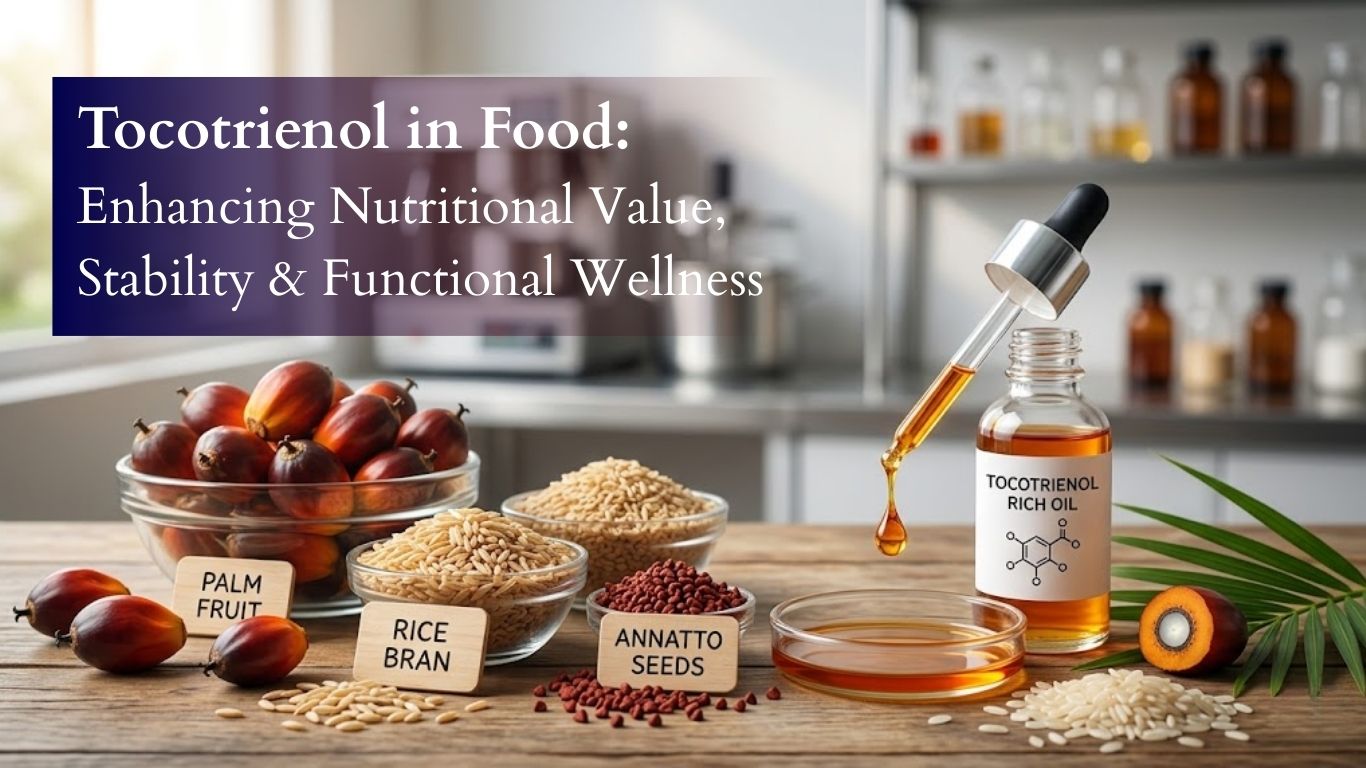
- Palm fruit oil fractions
- Rice bran oil
- Wheat germ and barley
- Oats and rye
- Selected nuts and seeds
Edible oils remain the major dietary sources of tocotrienols and other Vitamin E compounds due to their lipid content.
Functional Benefits of Tocotrienols in Food Nutrition
Tocotrienols play a significant role in enhancing the oxidative stability of food lipids by protecting polyunsaturated fatty acids from degradation, thereby helping preserve flavor integrity, shelf-life, and overall nutritional quality. From a preventive nutrition perspective, regular dietary intake of Vitamin E compounds such as tocotrienols may support the body’s defense against chronic oxidative stress, which is associated with various lifestyle-related health concerns. Emerging research also highlights their potential neuro-nutritional benefits, suggesting that tocotrienols may contribute to the protection of neural tissues from oxidative damage and support cognitive wellness strategies. Additionally, the incorporation of tocotrienol-rich ingredients into food formulations enables functional food brands to achieve meaningful differentiation, allowing them to position their products within the premium wellness, performance nutrition, and clean-label innovation segments.
Integrating Tocotrienols into Functional Food Development
Food technologists and nutrition brands can incorporate tocotrienols into:
- Fortified edible oils and spreads
- Nutritional snack bars and cereals
- Plant-based nutrition products
- Functional dairy alternatives
- Health-focused ready-to-eat foods
Successful integration requires attention to:
- Dosage optimization
- Heat and processing stability
- Packaging strategies to reduce oxygen exposure
Synergy with other natural antioxidants
Conclusion
Tocotrienols are emerging as a valuable ingredient in the future of functional foods and clean-label nutrition. Their ability to enhance oxidative stability, support health-oriented positioning, and enable natural preservation strategies makes them increasingly relevant for modern food innovation.
As consumer awareness grows around preventive nutrition and ingredient transparency, tocotrienol-rich food solutions offer a pathway to create products that are nutritionally meaningful, technologically stable, and commercially differentiated.
Tocotrienol is a natural form of Vitamin E found in certain plant oils and grains, used for antioxidant protection and nutritional benefits.
They help prevent oxidation of fats and oils, extend shelf life, and enhance the nutritional profile of functional foods.
Palm oil fractions, rice bran oil, wheat germ, barley, oats, and some nuts are key dietary sources.
They provide natural antioxidant functionality and help support clean-label food formulations.
Yes. By reducing lipid oxidation, they help maintain flavor, color, and nutritional integrity.
Dietary intake of antioxidant compounds like tocotrienols may support cellular protection and preventive wellness.
Yes. They are widely explored in fortified oils, snacks, nutraceutical foods, and wellness beverages.