Tocotrienol in Animal Nutrition: Advancing Antioxidant Science for Pet Wellness
The Next Evolution of Vitamin E in Veterinary and Pet Nutrition
The global pet care and animal nutrition industry is undergoing a significant transformation. Today’s pet owners and veterinarians are increasingly focused on ingredient transparency, nutritional functionality, and long-term wellness outcomes. In this evolving landscape, antioxidants play a critical role in protecting both feed quality and animal health.
While conventional Vitamin E forms such as tocopherols have long been used in animal nutrition, emerging formulation science is highlighting the value of tocotrienols — a more potent and functionally dynamic form of Vitamin E. For feed formulators, supplement manufacturers, and veterinary product developers, tocotrienols represent a strategic upgrade that supports oxidative stability, metabolic health, and clean-label positioning.
Understanding Tocotrienol in Animal Nutrition
Vitamin E consists of two main families: tocopherols and tocotrienols. Tocotrienols differ structurally due to their unsaturated side chain, which enables better cellular distribution, improved membrane interaction, and enhanced antioxidant performance.
In animal nutrition systems where lipids, essential fatty acids, and bioactive nutrients are prone to oxidation, tocotrienols can provide broad-spectrum oxidative protection while contributing to physiological wellness.
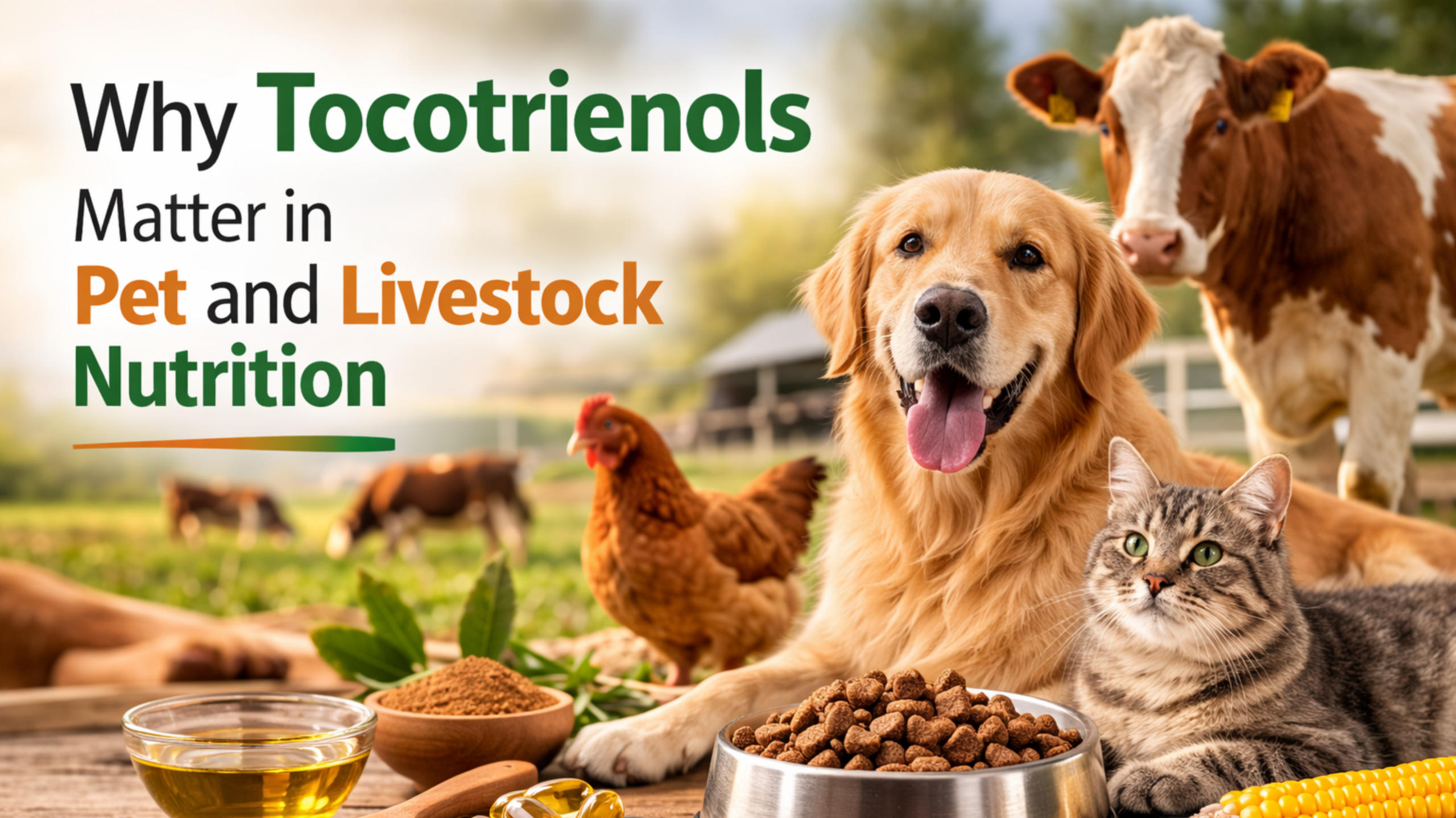
Why Tocotrienols Matter in Pet and Livestock Nutrition
- Advanced Antioxidant Protection in Feed Systems Animal feeds, treats, and supplements often contain unsaturated oils and functional nutrients that are vulnerable to oxidation. Tocotrienols help reduce peroxide formation, delay rancidity, and maintain nutritional integrity during processing and storage.
- Supporting Immune Function and Oxidative Balance Oxidative stress can negatively impact immunity, growth performance, and recovery in animals. Tocotrienols contribute to cellular antioxidant defense mechanisms, helping maintain overall metabolic balance and resilience.
- Skin, Coat, and Barrier HealthIn companion animals, skin condition and coat quality are important indicators of wellness. Tocotrienols support lipid layer stability and dermal antioxidant protection, making them relevant in nutritional supplements and functional treats designed for dermatological benefits.
- Clean-Label and Regulatory AlignmentWith increasing restrictions and consumer skepticism toward synthetic preservatives such as BHA and BHT, natural antioxidant systems are gaining preference. Tocotrienols enable formulators to transition toward clean-label nutrition strategies while maintaining product shelf stability.
Key Applications of Tocotrienol in Animal Nutrition
🐶 Pet Foods and Functional Treats
Tocotrienols help stabilize essential fatty acids, protect flavor integrity, and support nutrient retention in dry kibble, wet foods, and chewable treats.
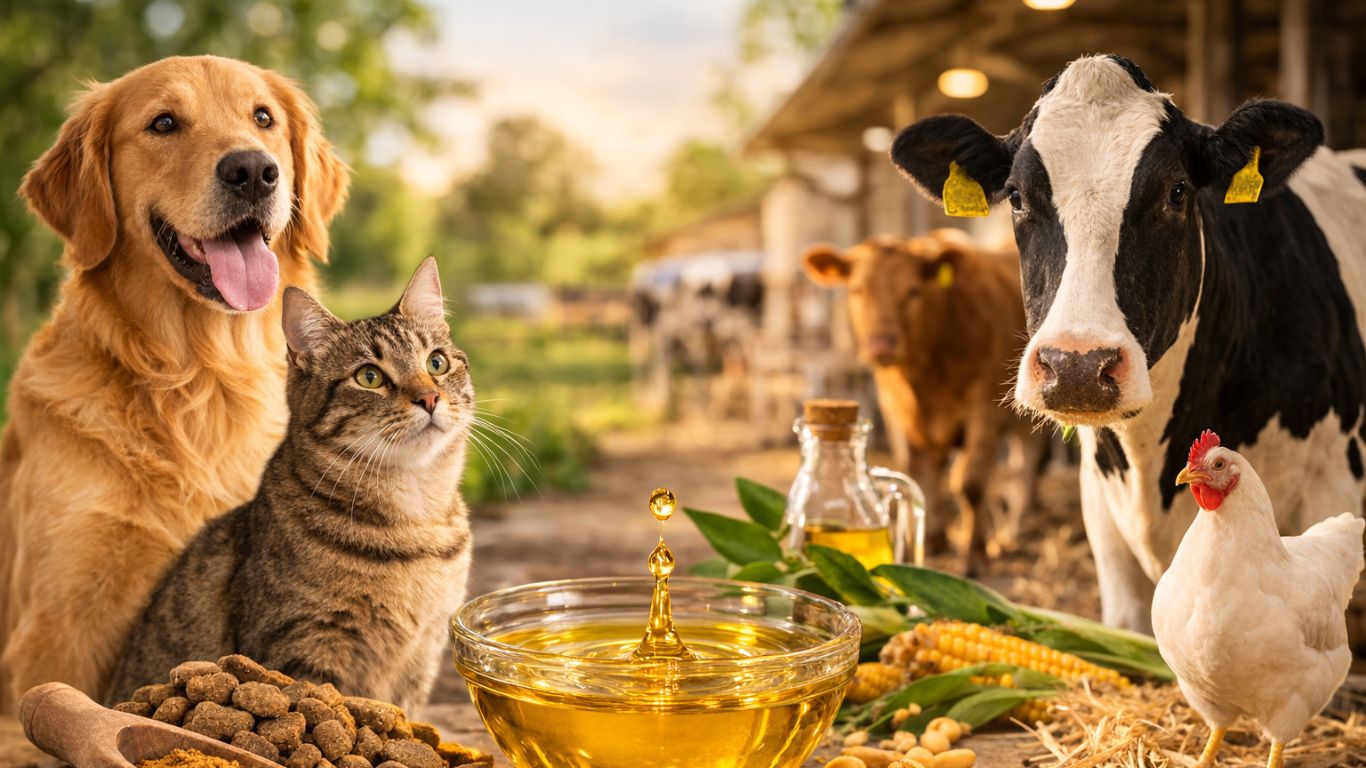
Veterinary Nutritional Supplements
In capsules, powders, and liquid supplements, tocotrienols contribute to oxidative stress management, immune support, and recovery-oriented nutrition.
🐾 Skin and Coat Support Formulations
Used in dermatological nutrition products, tocotrienols can help improve coat shine, skin hydration balance, and barrier resilience.
🐄 Livestock and Poultry Nutrition
In production animals, oxidative stability of feed is directly linked to performance outcomes. Tocotrienols can support feed efficiency, nutrient utilization, and stress tolerance under challenging environmental conditions.
Formulation Considerations for Tocotrienol Use
- Dosage optimization depending on lipid load and processing conditions
- Compatibility with omega oils, herbal actives, and nutraceutical ingredients
- Thermal stability management during extrusion or pelleting
- Packaging synergy to reduce oxygen exposure
- Regulatory documentation for veterinary and feed compliance
Working with experienced ingredient partners can help ensure efficacy validation and formulation success.
The Future of Antioxidant Nutrition in Animal Wellness
As the pet care industry continues to adopt human-grade nutrition principles, functional antioxidants like tocotrienols are expected to gain stronger adoption. Their ability to protect both product quality and animal physiology makes them particularly relevant for premium, performance-oriented, and clean-label nutrition strategies.
For veterinary innovators and pet nutrition brands, tocotrienols provide an opportunity to develop products that reflect scientific credibility, natural positioning, and measurable wellness value.
Conclusion
Tocotrienols are redefining antioxidant strategies in animal nutrition by offering enhanced oxidative protection, metabolic support, and formulation flexibility. From pet foods and supplements to livestock feed systems, their multifunctional benefits position them as a powerful tool for next-generation veterinary nutrition.
Brands aiming to build trust, performance, and clean-label differentiation can leverage tocotrienols to create nutrition solutions where stability meets science and wellness meets innovation.
Tocotrienol is a potent form of Vitamin E used in feeds and supplements to provide antioxidant protection and support animal health.
Yes. Tocotrienols help prevent lipid oxidation and rancidity, which can extend feed freshness and maintain nutrient quality.
When used within recommended dosage levels, tocotrienols are generally considered safe and beneficial in nutritional formulations.
They help reduce oxidative stress at the cellular level, which can contribute to better immune function and recovery.
In many formulations, tocotrienols can help reduce dependence on synthetic antioxidants while supporting clean-label goals.
Yes. Their antioxidant properties can help support dermal lipid balance and overall coat quality.
Pet foods, treats, veterinary supplements, dermatology nutrition products, and livestock feed formulations can incorporate tocotrienols.
Absolutely. Tocotrienols align well with performance-driven, wellness-focused, and natural ingredient positioning.