Tocotrienol in Nutrition: The Advanced Vitamin E for Modern Wellness
Unlocking the Nutritional Potential of Tocotrienols
In the evolving world of functional nutrition and preventive wellness, antioxidants play a central role in supporting cellular protection, metabolic balance, and long-term health outcomes. Among these, Vitamin E has remained one of the most researched micronutrients. However, recent scientific attention is increasingly shifting toward tocotrienols — the less explored yet highly promising members of the Vitamin E family.
For nutraceutical brands, wellness formulators, and health-conscious consumers, tocotrienols represent a next-generation antioxidant strategy that aligns with clean-label nutrition, performance-driven supplementation, and holistic health positioning.
What Are Tocotrienols?
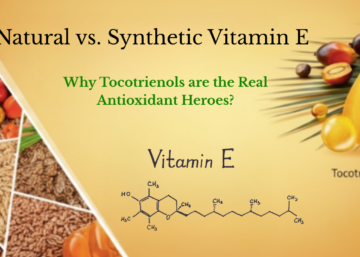
Vitamin E consists of eight naturally occurring compounds — four tocopherols and four tocotrienols. These molecules share antioxidant properties but differ structurally and functionally. Tocotrienols possess an unsaturated isoprenoid side chain, which influences their distribution in biological membranes and functional activity.
This structural distinction contributes to:
- Enhanced interaction with lipid layers
- Improved oxidative stress defense
- Potential signaling and metabolic benefits
- Broader physiological influence compared to conventional forms
Why Tocotrienols Matter in Nutrition
- Powerful Antioxidant Protection Oxidative stress contributes to ageing, metabolic imbalance, inflammation, and tissue damage. Tocotrienols help neutralize free radicals and reduce lipid peroxidation — supporting cellular stability and nutrient preservation.
- Cardiovascular and Metabolic Support Research indicates tocotrienols may contribute to cardiovascular wellness by influencing lipid oxidation pathways and inflammatory markers.
- Brain and Cognitive Health Potential Emerging studies suggest tocotrienols possess neuroprotective properties and may help protect brain cells from oxidative injury.
- Immune and Inflammatory Balance Tocotrienols have demonstrated antioxidant and anti-inflammatory activity, which can support immune resilience and overall physiological balance.
Tocotrienol and Hair Wellness Nutrition
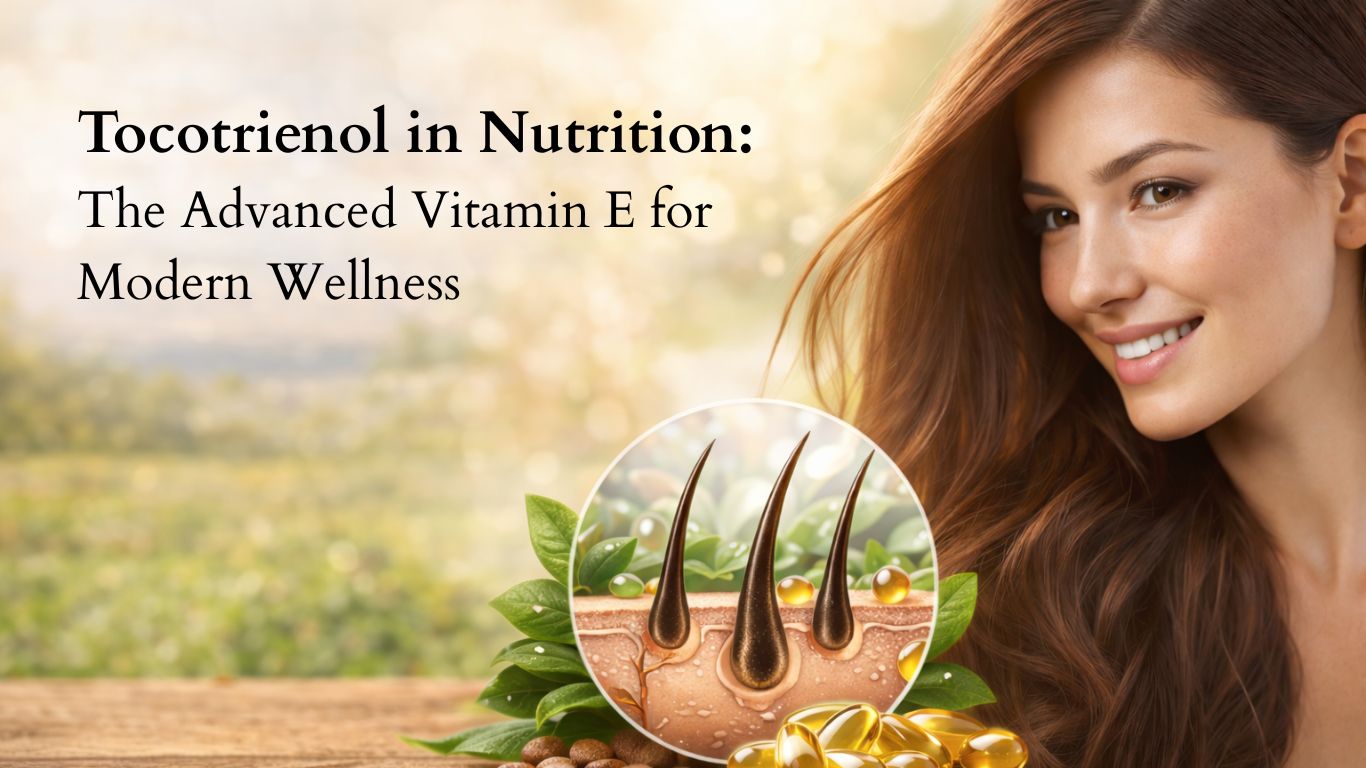
Hair follicles are highly metabolically active and sensitive to oxidative stress. Nutritional antioxidants such as tocotrienols can help support follicular protection, scalp health, and hair vitality.
Clinical observations have shown that tocotrienol supplementation may increase hair number in individuals experiencing hair loss, potentially due to reduced oxidative stress in the scalp environment.
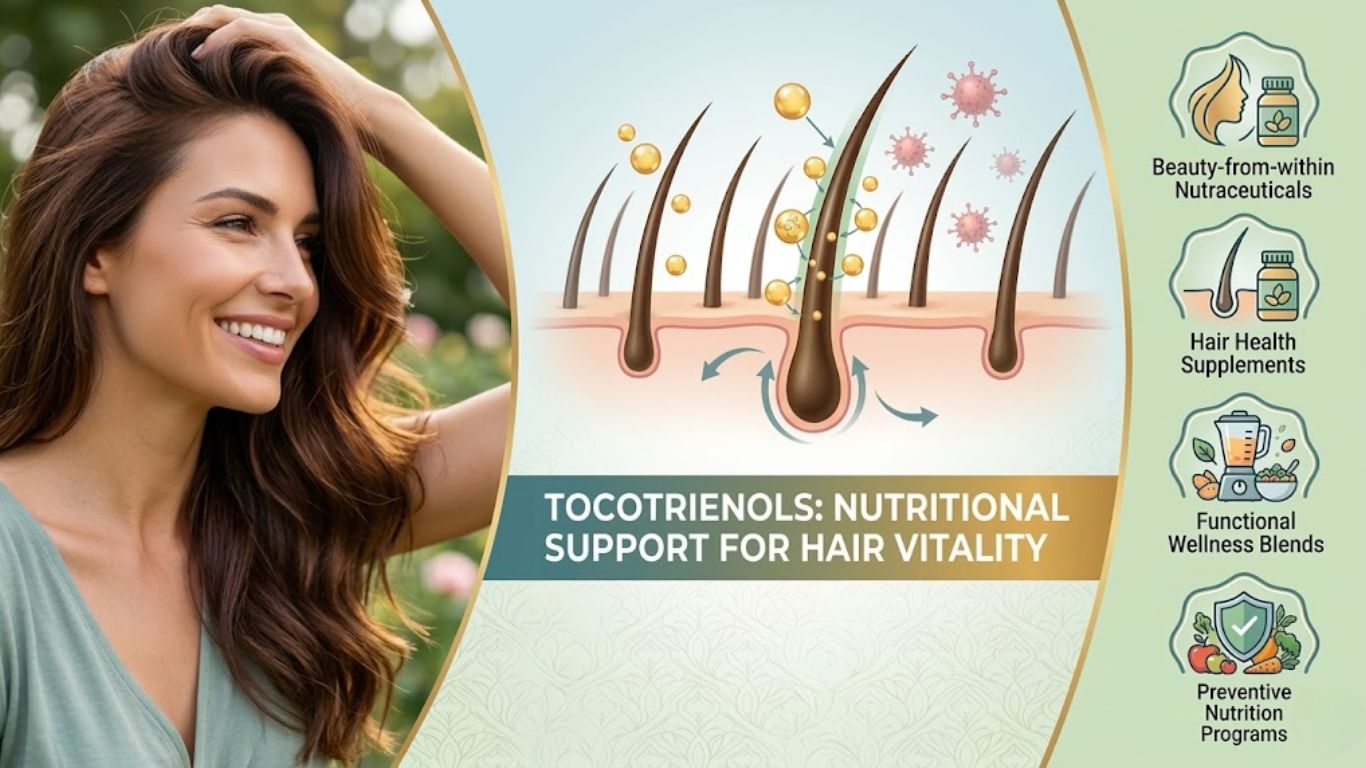
This positions tocotrienols as valuable ingredients in:
- Beauty-from-within nutraceuticals
- Hair health supplements
- Functional wellness blends
- Preventive nutrition programs
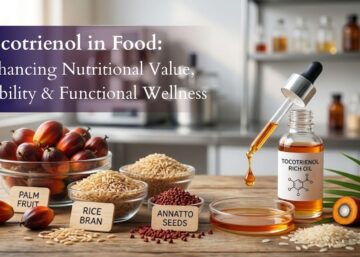
Natural Sources of Tocotrienols
Tocotrienols are found in relatively limited dietary sources compared to tocopherols. Major nutritional sources include:
- Palm fruit oil fractions
- Rice bran oil
- Wheat germ and certain whole grains
- Barley, oats, and rye
- Selected nuts and seeds
These lipid-rich foods contribute to antioxidant intake and support balanced nutrition strategies.
Integrating Tocotrienol into Nutritional Formulations
Tocotrienols can be effectively incorporated into a wide range of nutrition and wellness formats, including antioxidant nutraceutical capsules, functional oils and lipid blends, preventive wellness supplements, cardiometabolic nutrition products, and beauty as well as healthy-ageing formulations. Their advanced antioxidant properties and emerging scientific relevance make them highly suitable for brands aiming to develop clean-label, performance-driven nutritional solutions. By enabling stronger scientific differentiation and supporting value-based product positioning, tocotrienols help brands create premium offerings that align with evolving consumer demand for evidence-backed wellness and targeted nutritional innovation.
Conclusion
As nutrition science evolves toward precision wellness and preventive healthcare, tocotrienols are emerging as a powerful yet underutilized form of Vitamin E. Their antioxidant potency, potential metabolic benefits, and relevance in beauty-from-within strategies make them highly attractive for next-generation nutraceutical development.
Incorporating tocotrienol-rich nutrition can help support cellular resilience, scalp and hair health, cardiovascular balance, and overall wellness — from within.
Tocotrienol is a naturally occurring form of Vitamin E known for its antioxidant and potential metabolic health benefits.
Tocotrienols have an unsaturated side chain that allows better interaction with cell membranes and may enhance antioxidant efficiency.
Some studies suggest tocotrienol supplementation may help improve hair density by reducing oxidative stress in the scalp.
Palm oil fractions, rice bran oil, whole grains, and certain nuts are among the key natural sources.
Yes. They are widely used in antioxidant, cardiometabolic, and beauty-from-within nutrition formulations.
Research indicates they may help reduce lipid oxidation and support cardiovascular wellness markers.
When consumed within recommended nutritional limits, tocotrienols are generally considered safe as part of balanced diets or supplements.
Individuals focused on preventive health, oxidative stress management, hair wellness, and healthy ageing strategies may benefit.