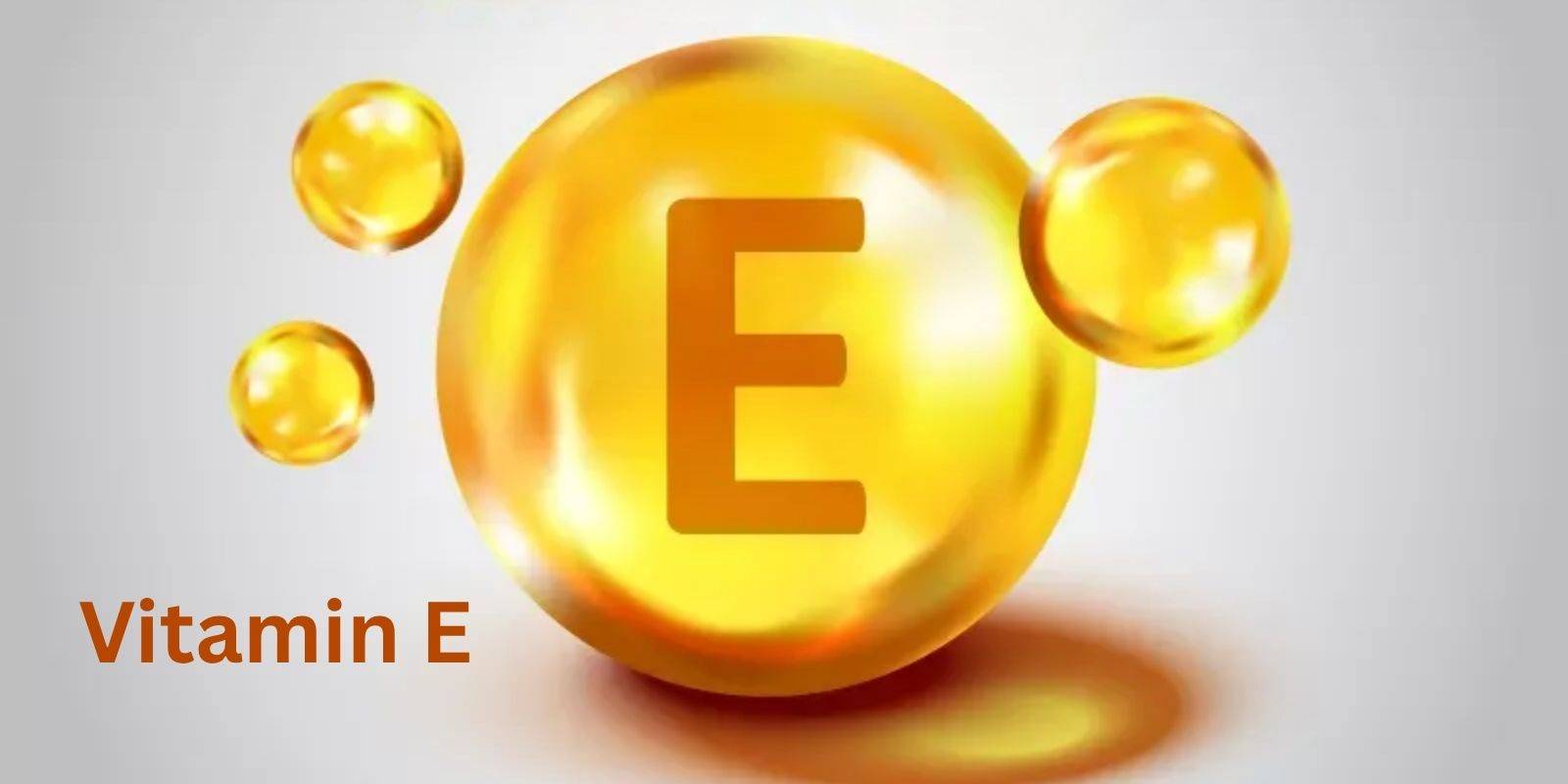
The Vitamin E family is one of the most researched groups of vitamins and minerals found in food and other natural sources. It is widely recognized as an essential dietary supplement because of its numerous health benefits and antioxidant properties. Today, the demand for Vitamin E manufacturers for the cosmetic industry in India is rapidly increasing due to the growing use of Vitamin E in skincare, personal care, and wellness formulations.
Tocopherols and Tocotrienols are the two main Isomers of the Vitamin E family. Tocopherol is commonly used in the medicinal form, but the Tocotrienols are considered a superior option by industry experts.
Tocotrienols are now revered as one of the superior phytochemicals. Although it is not abundantly available in nature, a few natural sources contain a good amount of Tocotrienols.
The true laboratory is the mind, where behind illusions we uncover the laws of truth

What is Tocotrienol?
Just like Tocopherols, Tocotrienols are phytochemicals belonging to the Vitamin E family. Tocotrienols are naturally found in palm oil, annatto, wheat germ oil, and rice bran oil. Due to their potent antioxidant activity, they are widely used in modern skincare and cosmetic formulations by natural Vitamin E manufacturers for the cosmetic industry in India.
Tocotrienols are pretty similar in chemical structure to the Tocopherols, except that Tocotrienols have unsaturated bonds and hence are more active. Both have slightly different properties and chemical actions.

The dates ripen at the oasis palm. Dates ripen on a palm tree. Harvesting dates.
History of Tocotrienol
Etymology
“Tocopherol” is based on a Greek word, “to bear a pregnancy .”The same word has been changed to include the trienes as it shares a similar molecular structure, except the three double-bonded side chains.
Discovery
In 1964, Pennock and Whittle explained the extraction of Tocotrienols from Hevea Latex. This was the first mention of the Tocotrienols with four variations, like Alpha, Beta, Gamma, and Delta.
After that, the biological significance of the Tocotrienols was discussed by Qureshi and Elson. In the early 1980s, Qureshi and Elson explained the ability of tocotrienols to reduce the cholesterol levels in the body in the Journal of Medicinal Chemistry”.
In 2008, Watson and Preedy published a book outlining Tocotrienols’ antioxidant and anti-cancer properties. The study was done on female rats by giving them the Tocotrienol-rich palm oil.
Also, the Tocotrienol was administered in a peritoneal way to study the effects on transplanted tumors. It proved beneficial in fighting mammary and hepatic tumors.
Sources of Tocotrienol
Tocotrienols are available in nature. As of now, science knows only a few sources that contain rich amounts of Tocotrienols.
These sources include Palm oil, Annato, Rice Bran Oil, Wheat Germ Oil, Cocoa butter, and barley oils. But the commercially successful Tocotrienols are extracted from Palm oil and Rice Bran oil. Unlike Tocopherol, Tocotrienol is extracted only from natural sources.
Benefits of Tocotrienol
Many scientific studies outline the health benefits of Tocotrienol on humans. These include the following benefits.
- Cardiovascular Disease protection – Studies uncovered the anti-cholesterol properties of Tocotrienol. Due to its effect on reducing LDL cholesterol, it’s good for reducing the risk of cardiovascular diseases.
- Anti-cancer benefits – Tocotrienol is potent in preventing cancer growth in mammals. The tests revealed that Tocotrienol stops the growth of cancer cells and reduces the chances of getting cancer.
- Neuro-protective benefits – Oxidative stress is one of the reasons behind common neurodegenerative disorders like ADHD and Dementia. In patients with ADHD, Tocotrienol has shown some improvements.
- Skin protection – Exposure to UV radiation can cause damage to the skin. Tocotrienol has proven beneficial for preventing oxidative damage to the skin due to UV radiation.
- Diabetic Nephropathy – Early research has indicated the benefits of Tocotrienol-rich Vitamin E on improving the condition of diabetic nephropathy, which is caused due to oxidative stress.
Tocopherol Vs. Tocotrienol
Tocopherol and Tocotrienol are isomers of the vitamin E family. Tocopherol is the most common form of Vitamin E used in the market.
Vitamin E was discovered in 1922 in the form of Alpha-Tocopherol. The scientists have focused on the family of Tocopherols and dived deep into the chemical identification, synthesis process, antioxidant properties, and many other things.
Tocotrienols were discovered in 1964. The benefits of Tocotrienol on cardiovascular issues were studied in the late 1980s. The effects of Tocotrienol on lowering LDL cholesterol helped boost scientific curiosity.
Conclusion
Even though Alpha-Tocopherol is widely used in the markets, the focus slowly shifts to the Tocotrienols. Even the claims made by many researchers make Tocotrienol superior to Tocopherols. Further research may uncover many facts and benefits about the Tocotrienols.
FAQs
Tocotrienols are members of the Vitamin E family known for their powerful antioxidant properties. They are naturally found in palm oil, annatto oil, rice bran oil, and wheat germ oil.
Tocotrienols are obtained from Palm Kernel through a natural extraction process.
Both Tocotrienols and Tocopherols belong to the Vitamin E family, but Tocotrienols contain unsaturated side chains that improve antioxidant activity and cellular absorption.
Tocotrienols may support cardiovascular health, brain function, skin wellness, immune health, and protection against oxidative stress.
Tocotrienols are widely used in anti-aging skincare formulations because they help reduce free radical damage, support collagen protection, and improve skin hydration.
Yes, Tocotrienol is considered a powerful natural antioxidant that helps protect cells from oxidative stress and environmental damage.
Their strong antioxidant profile, stability, and anti-aging benefits make Tocotrienols highly valuable ingredients for modern cosmetic and personal care formulations.
India has several trusted natural Vitamin E manufacturers and antioxidant suppliers catering to cosmetic, nutraceutical, and skincare industries with plant-based Vitamin E ingredients.